
Nano and Ultrafine Zinc Oxide as a UV Filter: What EU Annex VI Actually Says
Ultrafine zinc oxide is marketing, not law. EU Annex VI entries 30 and 30a, Annex IV, and Articles 16 and 19 govern zinc oxide nano as a UV filter.
Read article →
Read practical articles about EU cosmetic ingredients, Annex II–VI restrictions, warnings, preservatives, UV filters, colorants, compliance topics and ingredient research.
Articles, explainers and updates related to cosmetic ingredients and EU reference data.
Ultrafine zinc oxide is marketing, not law. EU Annex VI entries 30 and 30a, Annex IV, and Articles 16 and 19 govern zinc oxide nano as a UV filter.
Why bentonite, deceth-3 and other cosmetic ingredients carry no CAS number, or several. Real CosIng records and how to look up CAS/EC numbers safely.
The FDA's short list of banned cosmetic ingredients, how color additives are actually gatekept, and what MoCRA changed as of September 2026.
How the International Nomenclature of Cosmetic Ingredients works, who assigns INCI names, how the EU applies them under Article 33, and how to search the INCI …
TPO is prohibited in EU and GB cosmetics. What a photoinitiator does, why TPO was banned, and the current regulatory status of hydroxycyclohexyl phenyl ketone.
How Great Britain's cosmetic ingredient annexes diverged from the EU's after Brexit, with worked examples of substances that differ, and what to check.
How a toxic ingredients checker or carcinogen checker differs from EU cosmetic law: hazard vs risk, SCCS opinions, CLP Annex VI, and two worked examples.
How Korea's MFDS regulates cosmetic ingredients under the Cosmetics Act, with worked examples of where Korea and the EU set different limits.
How the SFDA prohibited ingredients list, GSO 1943 and eCosma notification work together to set Saudi Arabia's cosmetic ingredient rules, with worked examples.
How the EPA NZ Cosmetic Products Group Standard's schedules track EU cosmetics rules, where they currently differ, and what that means for dual-market brands.
Methylchloroisothiazolinone and methylisothiazolinone CAS numbers, EU Annex V entries 39 and 57, the leave-on bans, and how other markets treat them.
How Japan's MHLW Standards for Cosmetics structure the negative list, restricted list and positive lists, and where quasi-drugs fit under the PMD Act.
How India regulates cosmetic ingredients under the Cosmetics Rules 2020 and BIS standard IS 4707 Part 2, with worked examples against the EU annexes.
How EU INCI names for plant ingredients are built from genus, species, plant part and preparation, verified against CosIng data for peppermint, calendula and m…
What the European Commission's CosIng pages offer today, what the classic file names mean, the fields to expect, and pitfalls in the data.
A step-by-step method to check ingredients in cosmetics against EU law: read the label correctly, match each INCI name, then read what the record covers.
How the EU's 2003 hair dye strategy, SCCS dossiers and Annex III entries work, with worked examples: 2-methylresorcinol, PPD relatives, Basic Orange 31.
How Annex VI to EU Regulation 1223/2009 works: the legal definition of a UV filter, how to read an entry, and worked examples from the live CosIng data.
A technical reading guide to Annex V of EU Regulation 1223/2009: the columns, the acid-equivalent convention, and worked examples from live entries.
How the US Cosmetic Ingredient Review and the EU's SCCS assess cosmetic ingredients differently, with parabens and triclosan as worked examples.
How Article 15 of Regulation 1223/2009 treats CMR substances, how CLP classification feeds the omnibus regulations, and how to track the next one.
What a CI number is, why EU labels use it under Article 19(1)(g), and how to read an Annex IV entry, with CI 12075, CI 77163 and CI 77891 worked examples.
How China's NMPA prohibited-ingredient catalogues work under CSAR, how they relate to IECIC and new-ingredient filing, and where they diverge from EU Annex II.
Searching china cosing or cosing china? China has no CosIng. It has IECIC, run under CSAR with different legal force. Here is how the two inventories differ.
How Health Canada's Hotlist works, prohibited vs restricted listings, the Cosmetic Notification Form, and where it diverges from the EU annexes.
How ANVISA's RDC 529/2021 prohibited list, the Mercosur resolutions behind it, and Grau 1/2 categories set Brazil's cosmetic ingredient rules.
How Australia regulates cosmetic ingredients through AICIS, the Poisons Standard, ACCC labelling and the TGA cosmetic/therapeutic line, with worked examples.
How the ASEAN Cosmetic Directive's ingredient annexes work, who updates them, and where ASEAN and EU rules line up or diverge, with worked examples.
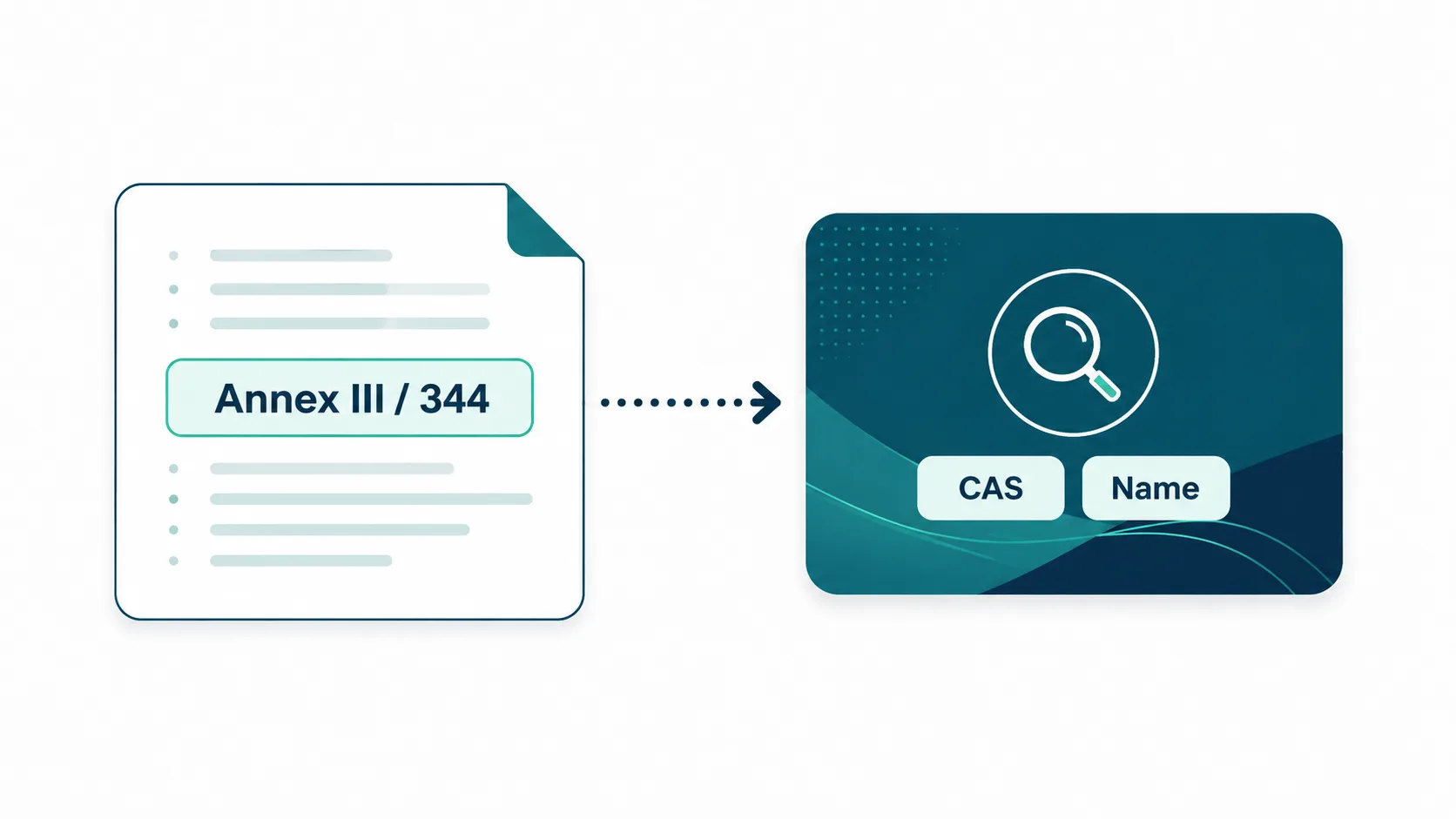
Annex III entry 344, Annex II/1001: four ways to resolve a cosmetic annex citation to the record, why entry numbers repeat between annexes, and what to read on…
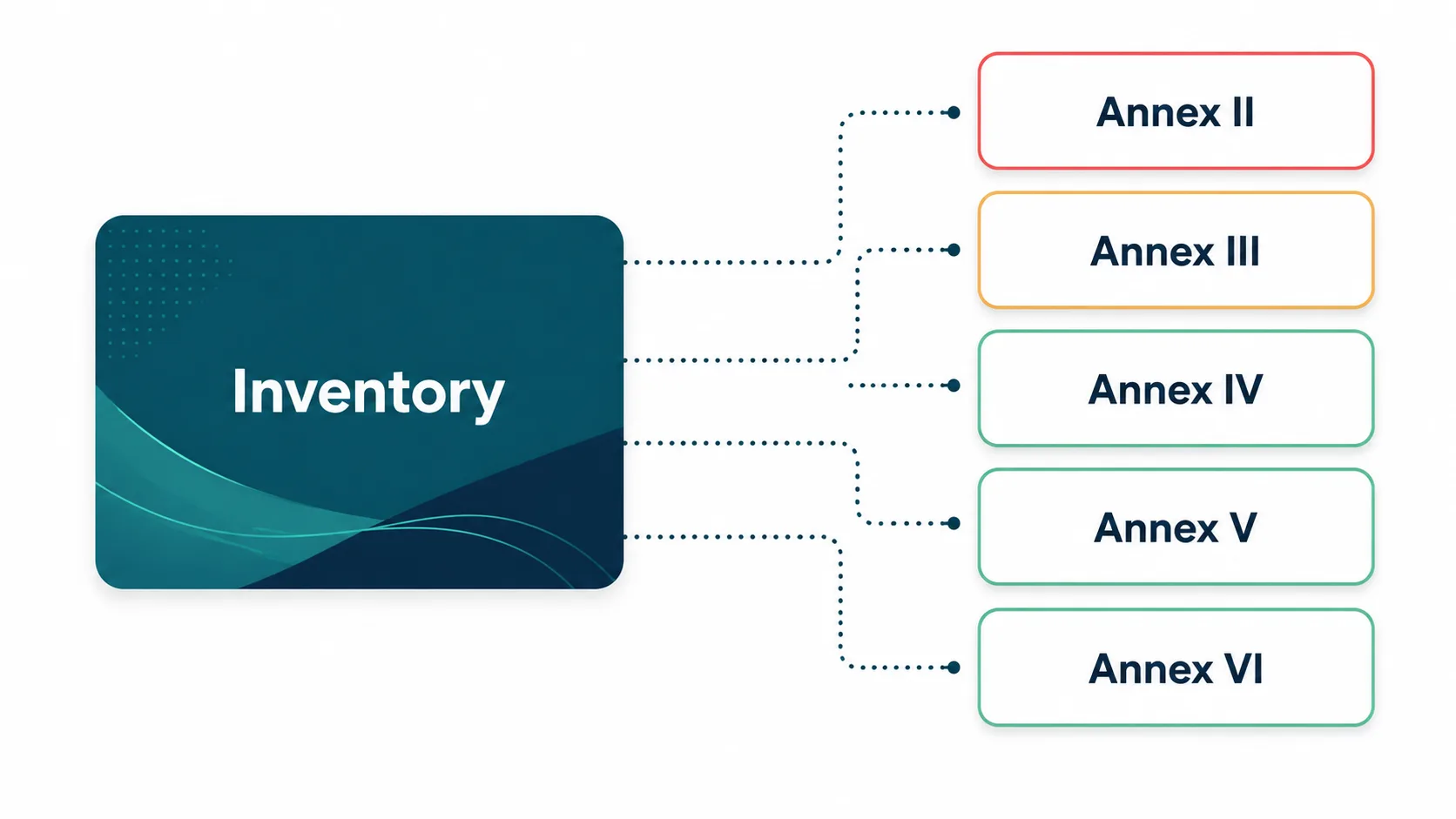
CosIng has an inventory and five annexes, and only the annexes carry legal force. What each annex means, how to read a record, and the mistakes that follow fro…

A free, read-only JSON API over the EU CosIng annexes, the ingredient inventory, PubChem chemistry and market rules. Working curl examples, no key required.
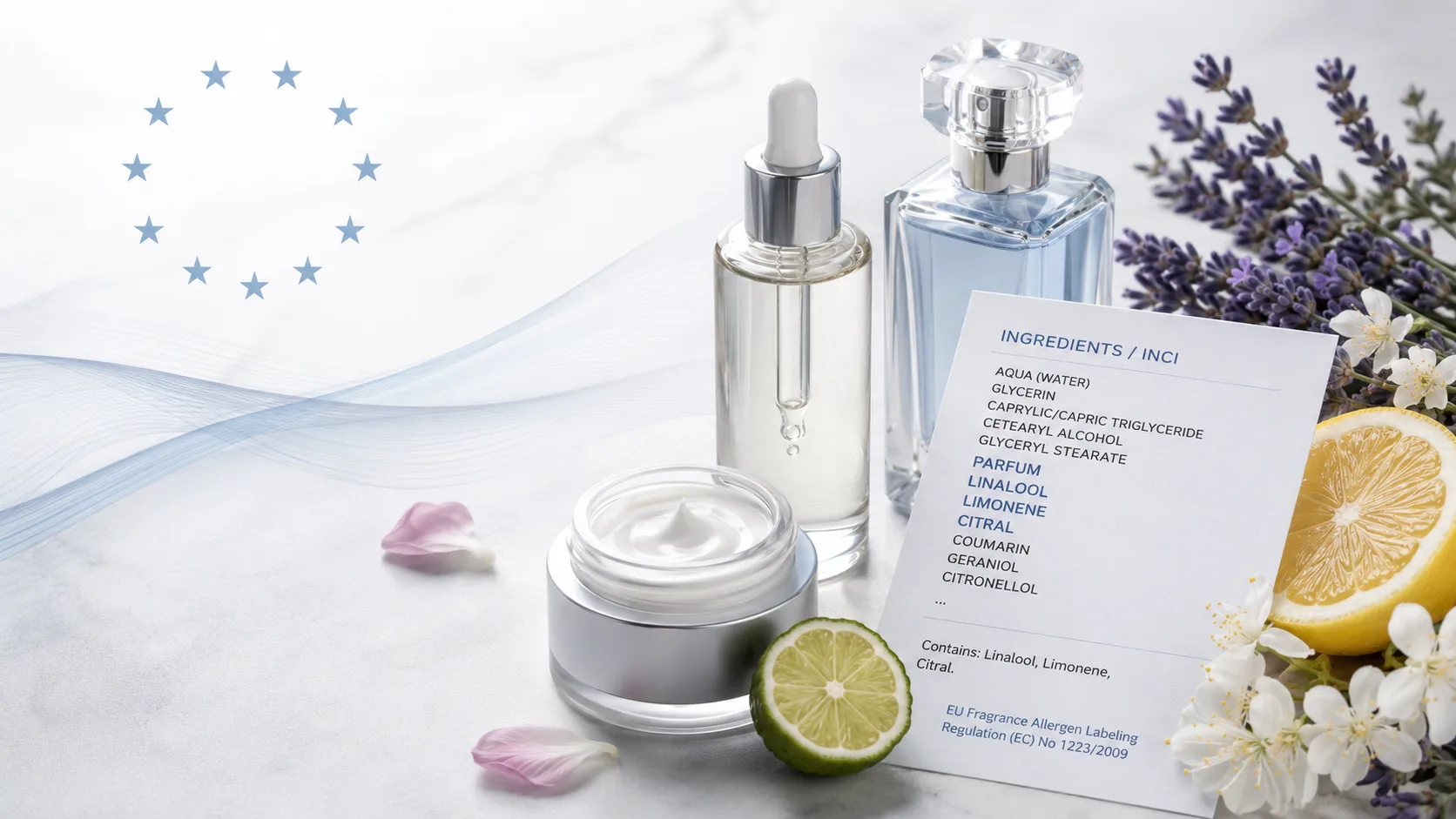
Learn the EU fragrance allergen labeling rules, declaration thresholds and the 2026 and 2028 transition deadlines for cosmetic products.
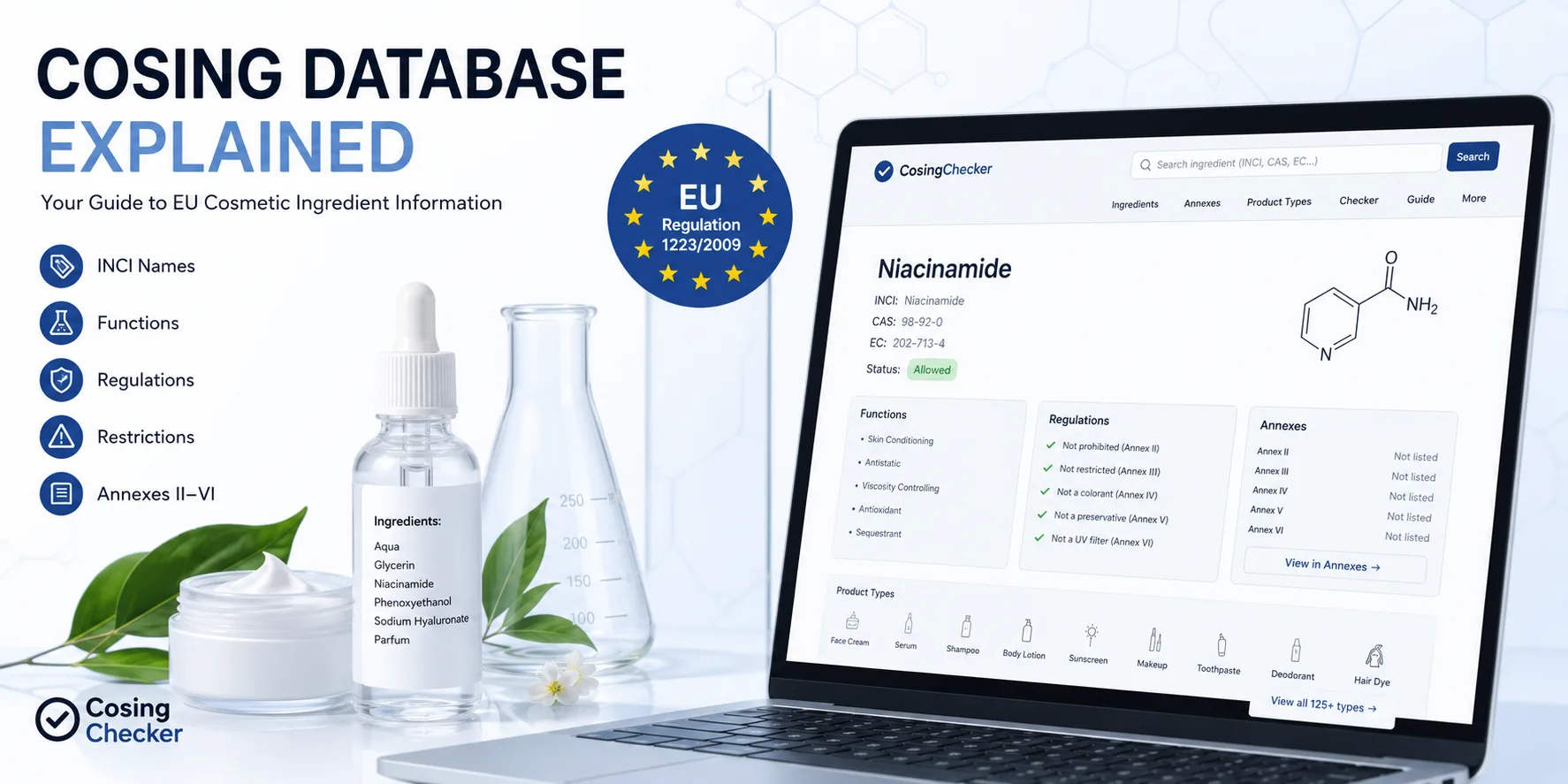
Learn everything about cosing database, understand EU cosmetic regulations, ingredient functions, safety and practical examples.
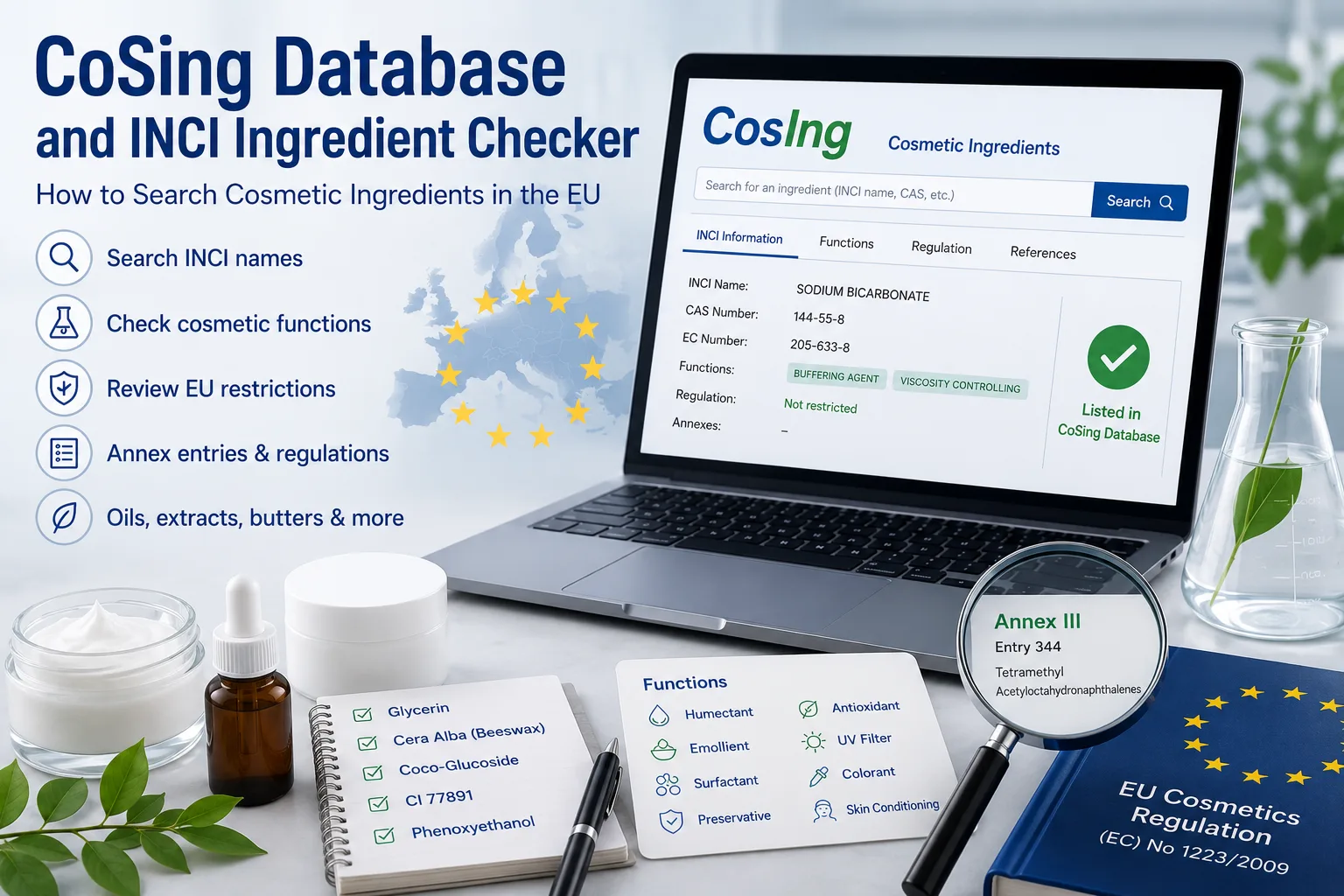
Learn how to use the CoSing database, check INCI names, cosmetic ingredient functions, EU restrictions, Annex entries, colorants, preservatives and UV filters …
Learn how different types of alcohols in cosmetics work, their benefits, risks, and how to choose safe skincare products. Understand simple, polyhydric, fatty,…
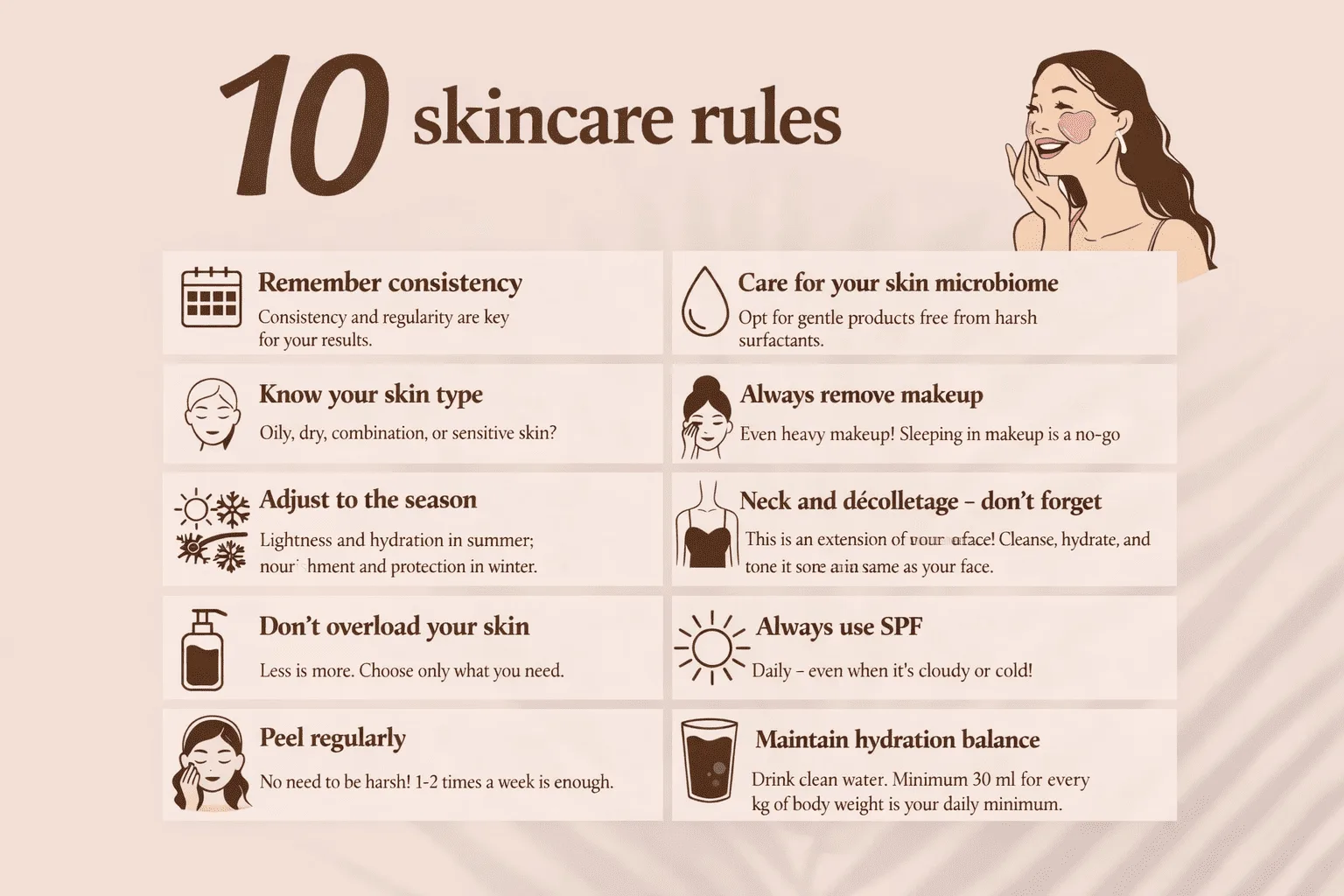
Discover the top skin care tips that help keep your skin healthy, glowing, and protected every day. Learn 10 essential rules to build an effective skincare rou…
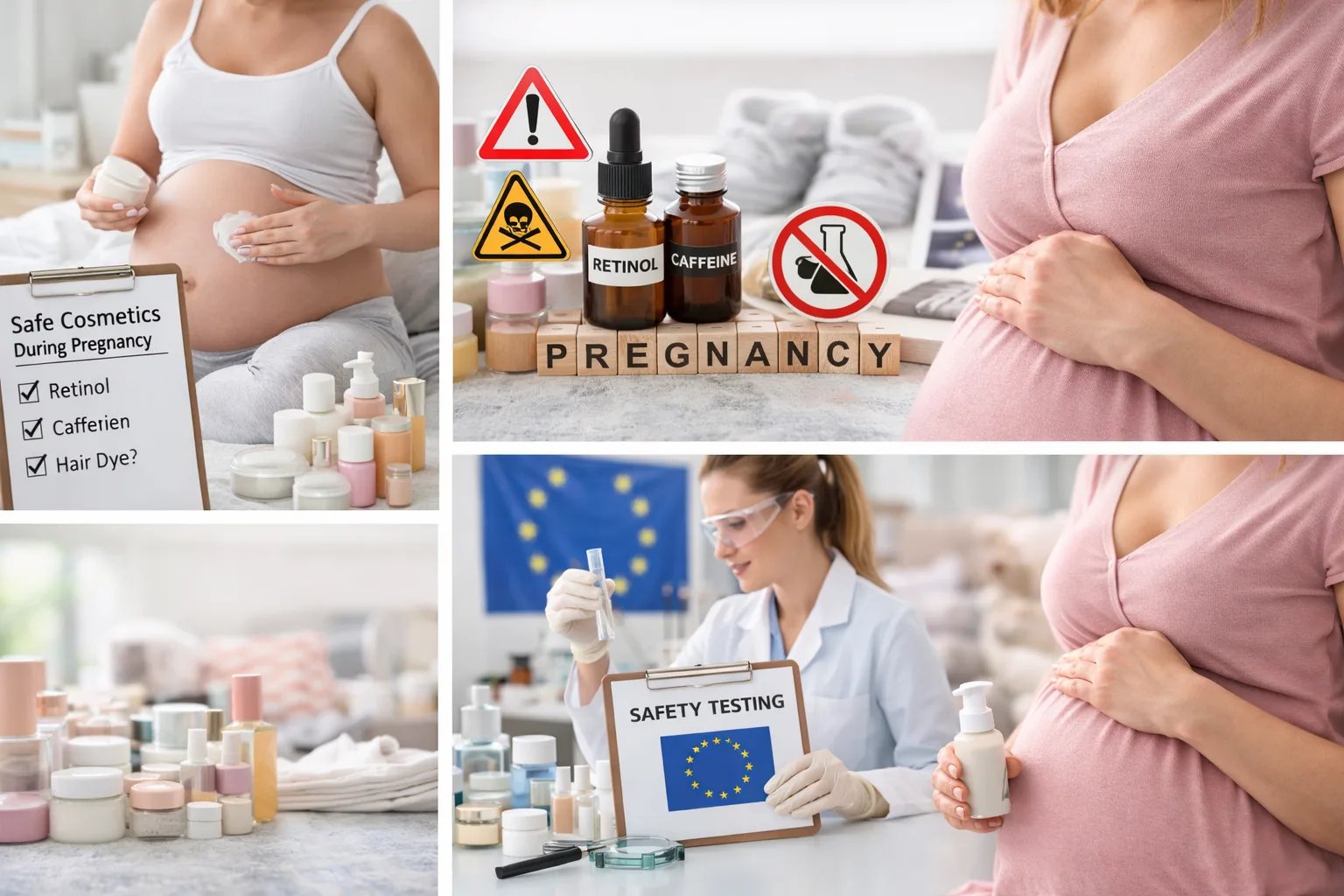
Learn which cosmetic ingredients are safe during pregnancy and which to avoid. EU-based guide covering retinol, caffeine, hair dyes, and skincare safety for pr…
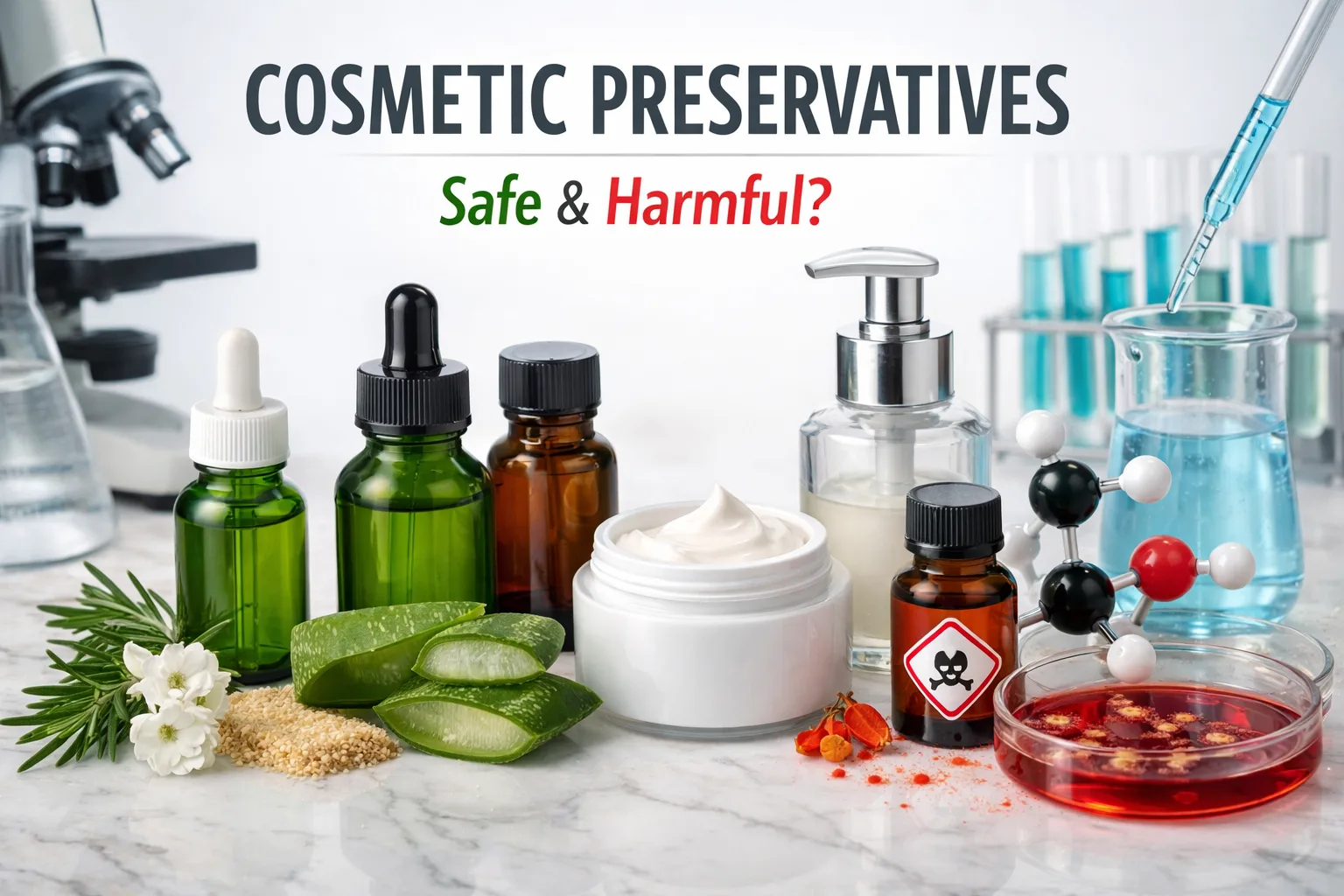
Learn about cosmetic preservatives, including safe and harmful ingredients, parabens, and how they affect your skin. Understand risks, benefits, and safety reg…
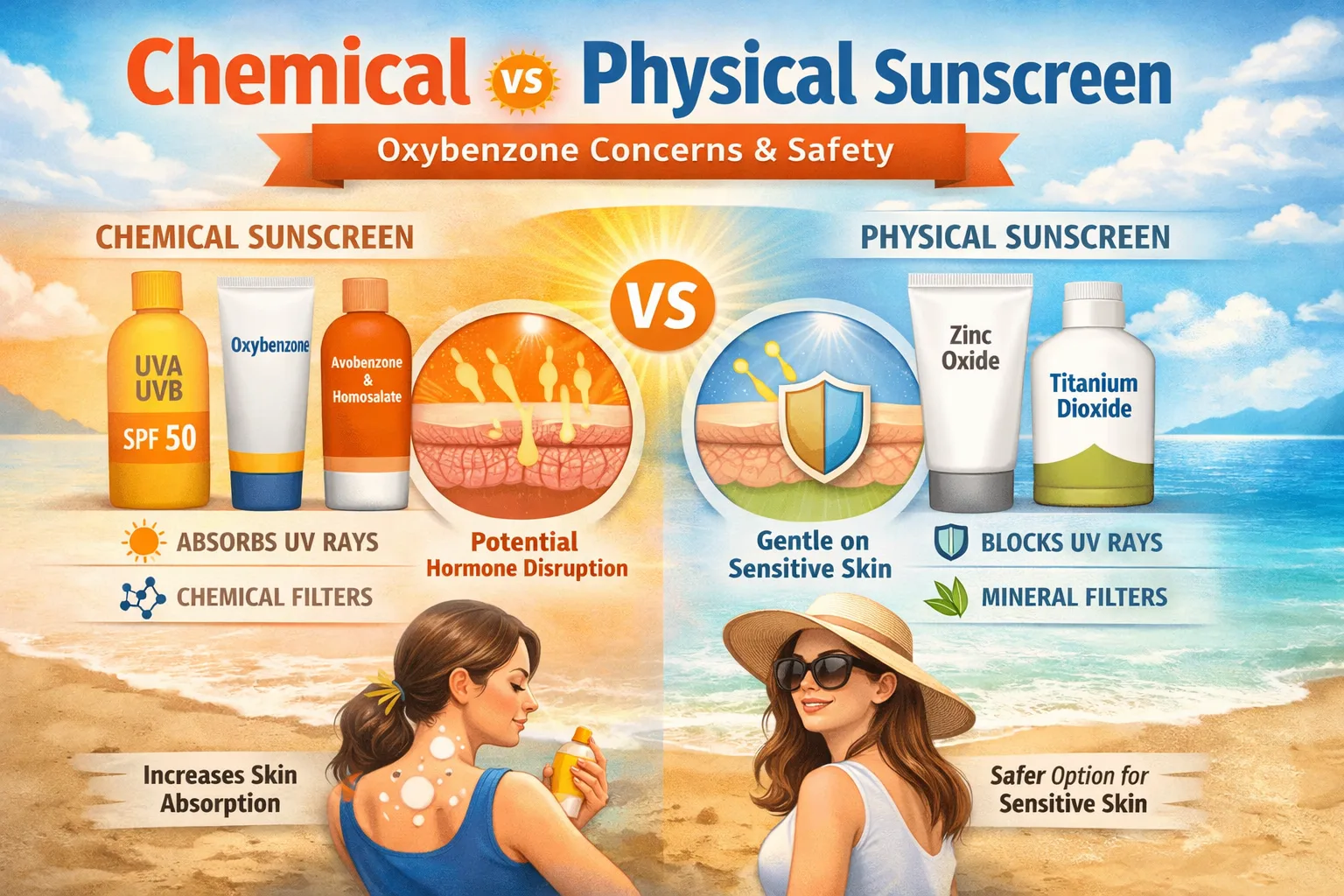
Learn the difference between chemical and physical sunscreens and whether oxybenzone is safe. Understand UV filters, skin reactions, and how to choose the best…
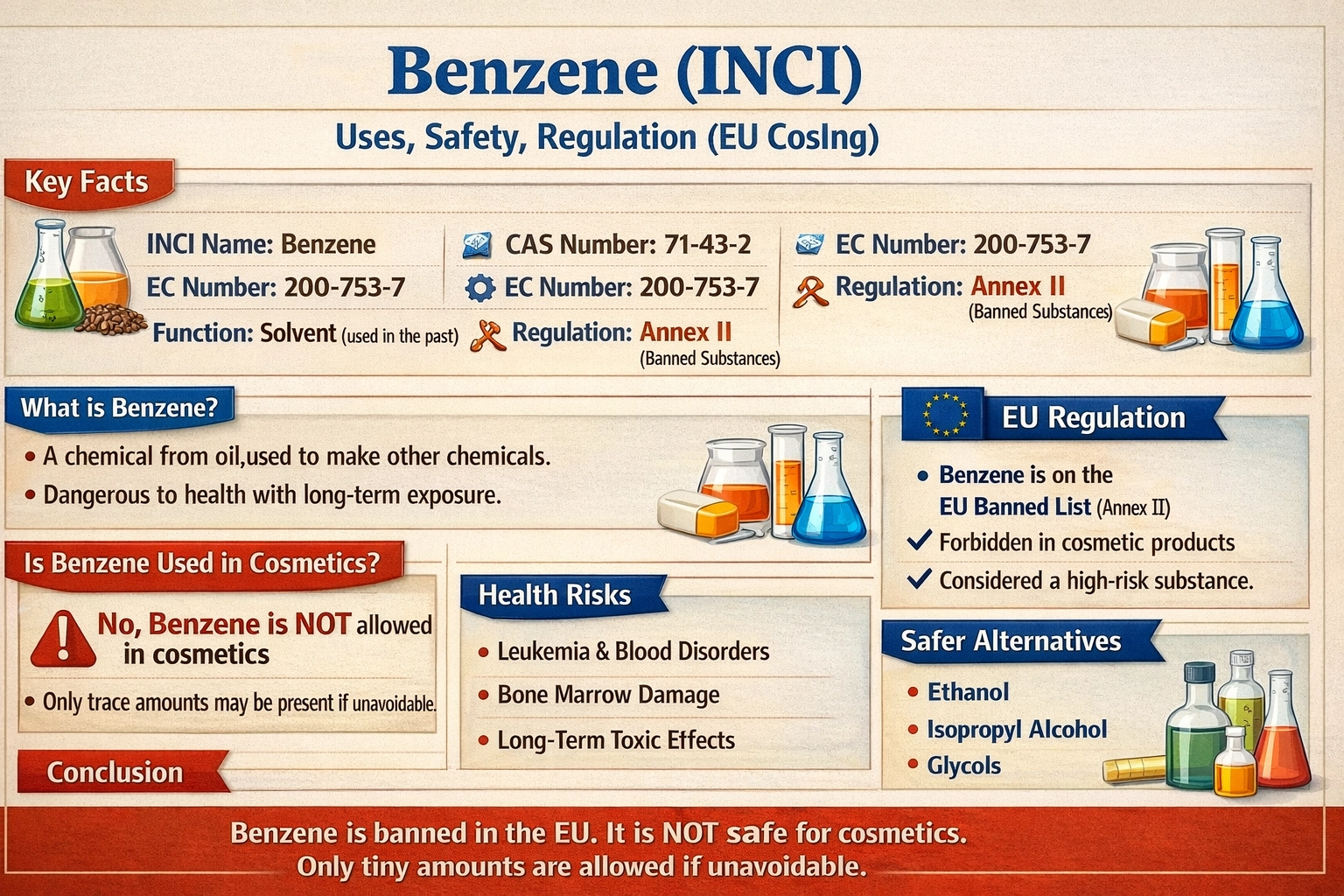
Benzene safety, EU CosIng status, and Annex II ban. Learn risks, regulations, and limits in cosmetics.
The CosIng Checker blog covers practical topics related to EU cosmetic ingredient compliance and the CosIng reference database. Articles are written for formulators, regulatory affairs professionals and anyone working with EU cosmetics data.