
TIN OXIDE
Tin dioxide (CI 77861)
TIN OXIDE is listed in the EU CosIng inventory, but no direct annex records are linked on this page yet.
Regulatory evidence by market
No rule for this ingredient has been imported for any of the 13 markets tracked here.
That describes this inventory, not the law. No imported rule is not evidence that an ingredient is permitted: a rule may exist under another name or identifier, or in a dataset not yet imported here.
Chemical identity and properties
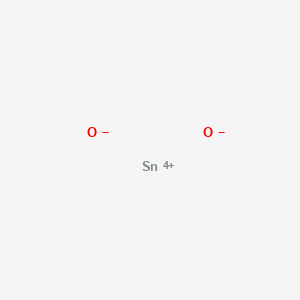
Tin oxide (SnO2)
Tin(iv) oxide appears as white or off-white crystalline solid or powder. mp: 1127 °C, Sublimes: 1800-1900 °C, density: 6.95 g/cm3 Insoluble in water. Soluble in concentrated sulfuric acid, hydrochloric acid. Occurs in nature as the mineral cassiterite. Used as a catalyst, in putty, as a polishing powder for steel and glass, in ceramic glazes and colors. "Flowers of tin" refers to the material collected as the result of condensation after sublimation. — CAMEO Chemicals
- IUPAC name
- bis(oxygen(2-));tin(4+)
- Molecular formula
- O2Sn
- Molecular weight
- 150.71 g/mol
- Exact mass
- 151.892032 Da
- Topological polar surface area
- 2.0 Ų
- Hydrogen-bond donors
- 0
- Hydrogen-bond acceptors
- 2
- Covalent units
- 3
- Defined stereocentres
- 0
Also known as
16 more reported names
External database identifiers
- EPA DTXSID:DTXSID8042474
Retrieved from NIH PubChem on 2026-08-31 by checksum-valid CAS matching. Chemical properties do not replace the regulatory decision on this page.
Inventory details for TIN OXIDE
INCI name
TIN OXIDE
Description
Tin dioxide (CI 77861)
Record provenance
- Inventory reference
- 80260
- Imported identity
- TIN OXIDE
- Source update
- 15/10/2010
Annex records for TIN OXIDE
Key data
- ABRASIVE
- Removing unwanted tissue or foreign materials from various body surfaces, including mechanical tooth cleaning and/or gloss improvement.
- BULKING
- Non-reactive (chemically inert), solid ingredients that dilute other solids and/or increase the volume of cosmetic products.
- OPACIFYING
- Reducing transparency or translucency of cosmetics.
- VISCOSITY CONTROLLING
- Increasing or decreasing the viscosity (thickness) of cosmetics.
Official EU ingredient-name evidence
The ingredient name exactly matches the official 2025 EU glossary of common ingredient names.
Related inventory evidence
Ingredients with overlapping formulation functions
Additional official and scientific sources
11 external databases to check this identity in
Each link searches that source for this identity. What each source is, and its legal weight
How TIN OXIDE appears in the CosIng inventory
The CosIng inventory lists TIN OXIDE as a cosmetic ingredient and this page links it to 0 annex records. The inventory entry captures names and identifiers, while the annex records show where the substance is prohibited, restricted or positively listed in EU cosmetics law.
TIN OXIDE is also tagged with 4 cosmetic functions in the official data. Function labels describe intended use, but they do not replace regulatory review of linked annex records before formulation or labelling work.
Frequently asked questions
Source note for TIN OXIDE
This page reproduces the CosIng inventory entry for TIN OXIDE from public European Commission cosmetic ingredient materials and shows linked identifiers even when no direct annex match is currently attached.
Use this inventory page to research TIN OXIDE and compare linked records, but verify restrictions and legal status against the current official source text and law before making regulatory decisions.
Tools & next steps
Check your formula
Scan a full INCI list to detect TIN OXIDE and any linked EU annex restrictions or allergen flags.
INCI CheckerSearch similar ingredients
Find other inventory ingredients and annex entries related to TIN OXIDE, its identifiers or nearby name variants.
Search