CAS 1 record

CAS 818-08-6

CAS 818-08-6 matches 1 EU annex record across Annex II–VI of Regulation 1223/2009.

Chemical identity and properties

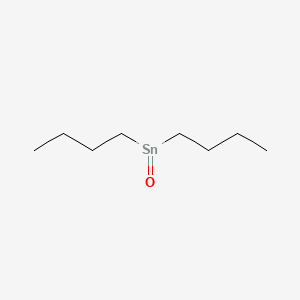
PubChem 2D chemical structure for CAS 818-08-6
CAS 818-08-6PubChem CID 61221

Dibutyltin oxide

Dibutyltin oxide is an organotin compound. It is used mainly in organic synthesis. Tin is a chemical element with the symbol Sn and atomic number 50. It is a natural component of the earth's crust and is obtained chiefly from the mineral cassiterite, where it occurs as tin dioxide. (L307, L309, L312) Toxin and Toxin Target Database (T3DB)

IUPAC name
dibutyl(oxo)tin
Molecular formula
C8H18OSn
Molecular weight
248.94 g/mol
Exact mass
250.037968 Da
Topological polar surface area
17.1 Ų
Hydrogen-bond donors
0
Hydrogen-bond acceptors
1
Covalent units
1
Defined stereocentres
0

Also known as

DibutyloxotinDibutyloxostannaneStannane, dibutyloxo-Dibutylstannane oxidedibutylstannanoneDibutyloxide of tinDibutylstannium oxideTin, dibutyl-, oxide
16 more reported names
T435H74FO0NSC-28130RefChem:132969212-449-1Dibutyltin(IV) oxideDI-N-BUTYLTIN OXIDETin, dibutyloxo-Di-n-butyl-zinn-oxydKyslicnik di-n-butylcinicityDBOTDibutyltinoxideStannane, dibutyloxo-;Di-n-butyl-zinn-oxyd [German]EINECS 212-449-1Kyslicnik di-n-butylcinicity [Czech]NSC 28130
External database identifiers

Retrieved from NIH PubChem on 2026-09-02 by checksum-valid CAS matching. Chemical properties do not replace the regulatory decision on this page.

Records for CAS 818-08-6

1 total

How CAS 818-08-6 is used on this site

CAS 818-08-6 is the Chemical Abstracts Service identifier used to pin this page to a specific substance. In the current dataset, 1 EU annex record shares this identifier, which helps you cross-check whether the same substance appears under one regulatory context or several.

Use this page when a supplier specification, SDS or raw-material dossier gives you CAS 818-08-6 and you need to see every linked Annex II–VI record in one place. The entry cards above are the quickest route to concentration limits, warnings, annex placement and product-type conditions.

Frequently asked questions

A substance identified by CAS 818-08-6 may appear in multiple EU cosmetic regulation annexes when it is subject to different conditions in different contexts. For example, a substance might be restricted under Annex III with specific conditions, and the same CAS might also appear in Annex IV as an approved colorant under separate entry conditions. Each entry must be reviewed individually.

Cross-reference the CAS number against your raw material specification sheets and CoA documents. When a CAS appears in Annex II, verify absence. When it appears in Annex III, verify that concentration limits and product type conditions are met in your formulation. All annex entries sharing this CAS number are listed above.

A CAS number is assigned by the Chemical Abstracts Service (USA) and is globally recognised. An EC number is a European Commission identifier from inventories such as EINECS, ELINCS or the NLP list. Both identifiers may appear in EU cosmetic annex entries. Some substances have both, some have only one, and some older entries may have neither.

The INCI Checker accepts ingredient names, CAS numbers and EC numbers. Check this CAS number directly, then verify the result against supplier specification sheets and every linked annex condition.

Tools & next steps

Check your formula

Scan a full INCI list, then use CAS 818-08-6 to cross-check any supplier documents behind the matched substances.

INCI Checker

Browse annexes

Browse all EU cosmetic regulation annexes by category.

All annexes

Search by name

Search for INCI names, aliases or related identifiers that sit alongside CAS 818-08-6 in your documentation.

Search