
Dichloroethanes (ethylene chlorides) for example, 1,2-Dichloroethane (CAS No. 107-06-2)
IS 4707 Part 2:2025 Annex A lists this ingredient as one that must not form part of a cosmetic product in India.
규제 판단 및 전체 조건
- 상태
- Prohibited
- 법적 역할
- Binding rule
- 규제 요약
- IS 4707 Part 2:2025 Annex A lists this ingredient as one that must not form part of a cosmetic product in India.
- 조건 및 제한 사항
Must not form part of the composition of cosmetic products. Apply the general trace and safety notes published after Annex A.
물질 정체
- 공식 출처상의 명칭
- Dichloroethanes (ethylene chlorides) for example, 1,2-Dichloroethane (CAS No. 107-06-2)
- CAS
- 107-06-2
- EC
- Not supplied in this source row
- 정체 매핑
- Exact CAS: 107-06-2
- 연결된 원료
- ETHYLENE DICHLORIDE
연결된 CosIng 정체 데이터
명칭 및 별칭
EU 목록 제한 사항 주석: II/125
기록된 화장품 기능: NOT REPORTED
기능 페이지:NOT REPORTED
전체 원료 프로필 보기이 정체의 시장 간 요약
현재 이 사이트에 있는 정확히 연결된 기록입니다. 시장이 없는 것은 가져온 정확한 일치 항목이 없다는 뜻이며, 해당 물질의 사용이 허용된다는 뜻이 아닙니다.
European Union
연결된 기록 1건
보조 기록 열기Great Britain
연결된 기록 1건
보조 기록 열기Canada
연결된 기록 1건 · 특정 조건이 있는 기록 1건
보조 기록 열기New Zealand
연결된 기록 1건
보조 기록 열기ASEAN
연결된 기록 1건
보조 기록 열기China
연결된 기록 1건 · 특정 조건이 있는 기록 1건
보조 기록 열기South Korea
연결된 기록 1건
보조 기록 열기Brazil
연결된 기록 1건 · 특정 조건이 있는 기록 1건
보조 기록 열기India
현재 기록연결된 기록 1건 · 특정 조건이 있는 기록 1건
보조 기록 열기Saudi Arabia
연결된 기록 1건
보조 기록 열기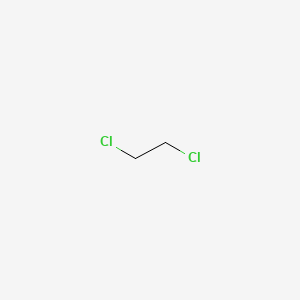
CAS 107-06-2의 검증된 화학 정보
1,2-Dichloroethane
1,2-dichloroethane is a member of the class of chloroethanes substituted by two chloro groups at positions 1 and 2. It has a role as a mutagen, a non-polar solvent and a hepatotoxic agent. — ChEBI
- IUPAC 명칭
- 1,2-dichloroethane
- 분자식
- C2H4Cl2
- 분자량
- 98.96 g/mol
- 정확한 질량
- 97.9690055 Da
- 단일 동위원소 질량
- 97.9690055 Da
- XLogP3
- 1.5
- 위상 극성 표면적
- 0.0 Ų
- 분자 복잡도
- 6.0
- 형식 전하
- 0
- 수소 결합 공여체
- 0
- 수소 결합 수용체
- 0
- 회전 가능 결합
- 1
- 중원자
- 4
- 공유결합 단위
- 1
PubChem에 보고된 명칭 및 동의어
보고된 명칭 16개 더 보기
외부 데이터베이스 식별자
- ChEBI:CHEBI:27789
- ChEMBL:CHEMBL16370
- EPA DTXSID:DTXSID6020438
- PubMed:37150348
- PubMed:37028497
- PubMed:34560092
- PubMed:31734271
- PubMed:31520740
- PubMed:30664321
- PubMed:30081051
- PubMed:28973639
- PubMed:28960355
- PubMed:28421967
- PubMed:28189721
- PubMed:27301210
고급 구조 통계
- 정의된 원자 입체중심
- 0
- 정의되지 않은 원자 입체중심
- 0
- 정의된 결합 입체중심
- 0
- 정의되지 않은 결합 입체중심
- 0
- 3D 파마코포어 특성
- 0
- 3D 고리
- 0
- 3D 소수성 부위
- 0
- 3D 수용체 특성
- 0
- 3D 공여체 특성
- 0
- 3D 음이온 중심
- 0
- 3D 양이온 중심
- 0
- 3D 형태이성질체
- 3
- 유효 3D 회전자
- 1.0
기계 판독 가능한 구조 식별자
- SMILES
C(CCl)Cl- InChI
InChI=1S/C2H4Cl2/c3-1-2-4/h1-2H2- InChIKey
WSLDOOZREJYCGB-UHFFFAOYSA-N
추가 과학 데이터베이스의 근거
EMBL-EBI ChEBI
1,2-dichloroethane
A member of the class of chloroethanes substituted by two chloro groups at positions 1 and 2.
- 처방
- C2H4Cl2
- 평균 질량
- 98.960 g/mol
- 단일 동위원소 질량
- 97.96901 Da
- 형식 전하
- 0
- chloroethanes — is a (CHEBI:36016)
- mutagen — has role (CHEBI:25435)
- non-polar solvent — has role (CHEBI:48355)
- hepatotoxic agent — has role (CHEBI:50908)
- mutagen — has role (CHEBI:25435)
- non-polar solvent — has role (CHEBI:48355)
- hepatotoxic agent — has role (CHEBI:50908)
- chloroethanes — is a (CHEBI:36016)
추가 선별 명칭
이 출처의 상호 참조
- CAS: 107-06-2 — NIST Chemistry WebBook
- CAS: 107-06-2 — KEGG COMPOUND
- CAS: 107-06-2 — ChemIDplus
- MANUAL_X_REF: 1,2-Dichloroethane — Wikipedia
- MANUAL_X_REF: 12-DICHLOROETHANE — MetaCyc
- MANUAL_X_REF: 2774 — PPDB
- MANUAL_X_REF: c0001 — UM-BBD
- MANUAL_X_REF: C06752 — KEGG COMPOUND
- MANUAL_X_REF: DB03733 — DrugBank
- MANUAL_X_REF: DCE — PDBeChem
- MANUAL_X_REF: HMDB0029571 — HMDB
- REGISTRY_NUMBER: 49272 — Gmelin
- REGISTRY_NUMBER: 605264 — Reaxys
매핑 기준: Exact CAS cross-reference in the ChEBI compound record. 출처 업데이트: 2021-06-17. 가져온 시각: 2026-08-31. 출처 기록 열기
NIH PubChem PUG-View
Attributed physical-property, hazard, environmental and use annotations.
- Autoignition Temperature: 775 °F (USCG, 1999) 출처: CAMEO Chemicals
- Autoignition Temperature: 775 °F (413 °C) 출처: Hazardous Substances Data Bank (HSDB)
- Autoignition Temperature: 440 °C 출처: ILO-WHO International Chemical Safety Cards (ICSCs)
- Boiling Point: 182.3 °F at 760 mmHg (NTP, 1992) 출처: CAMEO Chemicals
- Boiling Point: 83.5 °C 출처: DrugBank
- Boiling Point: 83.4 °C 출처: Hazardous Substances Data Bank (HSDB)
- Boiling Point: 83.00 to 84.00 °C. @ 760.00 mm Hg 출처: Human Metabolome Database (HMDB)
- Boiling Point: 83.5 °C 출처: ILO-WHO International Chemical Safety Cards (ICSCs)
- Boiling Point: 182 °F 출처: Occupational Safety and Health Administration (OSHA)
- Boiling Point: 83.5 °C @760 [mm Hg] 출처: PAC Chemical Database, U.S. Department of Energy
- Boiling Point: 182 °F 출처: The National Institute for Occupational Safety and Health (NIOSH)
- Color/Form: Heavy liquid 출처: Hazardous Substances Data Bank (HSDB)
- Color/Form: Clear, colorless, oily liquid 출처: Hazardous Substances Data Bank (HSDB)
- Color/Form: Clear liquid at ambient temperatures 출처: Hazardous Substances Data Bank (HSDB)
- Color/Form: Colorless liquid [Note: Decomposes slowly, becomes acidic & darkens in color] 출처: Hazardous Substances Data Bank (HSDB)
- Color/Form: Colorless, oily liquid 출처: Hazardous Substances Data Bank (HSDB)
- Density: 1.253 at 68 °F (USCG, 1999) - Denser than water; will sink 출처: CAMEO Chemicals
- Density: 1.2454 at 25 °C 출처: Hazardous Substances Data Bank (HSDB)
- Density: Relative density (water = 1): 1.2 출처: ILO-WHO International Chemical Safety Cards (ICSCs)
- Density: 1.24 출처: Occupational Safety and Health Administration (OSHA)
- Density: 1.2454 @25 °C 출처: PAC Chemical Database, U.S. Department of Energy
- Density: 1.24 출처: The National Institute for Occupational Safety and Health (NIOSH)
- Flash Point: 56 °F (NTP, 1992) 출처: CAMEO Chemicals
- Flash Point: 13.0 °C (55.4 °F) - closed cup - Tested according to Annex V of Directive 67/548/EEC. 출처: Hazardous Substances Data Bank (HSDB)
- Flash Point: 56 °F (13 °C) - closed cup 출처: Hazardous Substances Data Bank (HSDB)
- Flash Point: 65 °F (18 °C) - open cup. 출처: Hazardous Substances Data Bank (HSDB)
- Flash Point: 13 °C c.c. 출처: ILO-WHO International Chemical Safety Cards (ICSCs)
- Flash Point: 56 °F 출처: Occupational Safety and Health Administration (OSHA)
- Flash Point: 56 °F 출처: The National Institute for Occupational Safety and Health (NIOSH)
- LogP: 1.48 출처: DrugBank
- LogP: log Kow = 1.48 출처: Hazardous Substances Data Bank (HSDB)
- LogP: 1.48 출처: Human Metabolome Database (HMDB)
- LogP: 1.48 출처: ILO-WHO International Chemical Safety Cards (ICSCs)
- Melting Point: -31.5 °F (NTP, 1992) 출처: CAMEO Chemicals
- Melting Point: -35.5 °C 출처: DrugBank
- Melting Point: -35.6 °C 출처: Hazardous Substances Data Bank (HSDB)
- Melting Point: -35.3 °C 출처: Human Metabolome Database (HMDB)
- Melting Point: -35.7 °C 출처: ILO-WHO International Chemical Safety Cards (ICSCs)
- Melting Point: -32 °F 출처: Occupational Safety and Health Administration (OSHA)
- Melting Point: -35.7 °C 출처: PAC Chemical Database, U.S. Department of Energy
- Melting Point: -32 °F 출처: The National Institute for Occupational Safety and Health (NIOSH)
- Odor: Pleasant, chloroform-like 출처: Hazardous Substances Data Bank (HSDB)
- Odor: Pleasant odor 출처: Hazardous Substances Data Bank (HSDB)
- Odor: Chloroform-like odor 출처: Hazardous Substances Data Bank (HSDB)
- Odor: Sweet 출처: Hazardous Substances Data Bank (HSDB)
- Physical Description: Ethylene dichloride appears as a clear colorless liquid with a chloroform-like odor. Flash point 56 °F. Denser than water and insoluble in water. Vapors are heavier than air. Density 10.4 lb / gal. 출처: CAMEO Chemicals
- Physical Description: Liquid; Gas Vapor 출처: EPA Chemical Data Reporting (CDR)
- Physical Description: Colorless liquid with a pleasant, chloroform-like odor. [Note: Decomposes slowly, becomes acidic & darkens in color.] [NIOSH] 출처: Haz-Map, Information on Hazardous Chemicals and Occupational Diseases
- Physical Description: Liquid 출처: Human Metabolome Database (HMDB)
- Physical Description: COLOURLESS VISCOUS LIQUID WITH CHARACTERISTIC ODOUR. TURNS DARK ON EXPOSURE TO AIR, MOISTURE AND LIGHT. 출처: ILO-WHO International Chemical Safety Cards (ICSCs)
- Physical Description: Colorless liquid with a pleasant, chloroform-like odor. 출처: Occupational Safety and Health Administration (OSHA)
- Physical Description: Colorless liquid with a pleasant, chloroform-like odor. [Note: Decomposes slowly, becomes acidic & darkens in color.] 출처: The National Institute for Occupational Safety and Health (NIOSH)
- Refractive Index: Index of refraction: 1.4422 at 25 °C/D 출처: Hazardous Substances Data Bank (HSDB)
- Solubility: 5 to 10 mg/mL at 66 °F (NTP, 1992) 출처: CAMEO Chemicals
- Solubility: 8600 mg/L (at 25 °C) 출처: DrugBank
- Solubility: In water, 8,600 mg/L at 25 °C 출처: Hazardous Substances Data Bank (HSDB)
- Solubility: Solubility in water at 20 °C: 0.86% wt 출처: Hazardous Substances Data Bank (HSDB)
- Solubility: 0.869 g/100 mL water at 20 °C 출처: Hazardous Substances Data Bank (HSDB)
- Solubility: Miscible with alcohol, chloroform, ether 출처: Hazardous Substances Data Bank (HSDB)
- Solubility: For more Solubility (Complete) data for 1,2-Dichloroethane (6 total), please visit the HSDB record page. 출처: Hazardous Substances Data Bank (HSDB)
- Solubility: 8.6 mg/mL at 25 °C 출처: Human Metabolome Database (HMDB)
- Solubility: Solubility in water, g/100ml: 0.87 출처: ILO-WHO International Chemical Safety Cards (ICSCs)
- Solubility: 0.9% 출처: The National Institute for Occupational Safety and Health (NIOSH)
- Vapor Pressure: 60 mmHg at 68 °F ; 100 mmHg at 84.9 °F (NTP, 1992) 출처: CAMEO Chemicals
- Vapor Pressure: 78.9 [mmHg] 출처: Haz-Map, Information on Hazardous Chemicals and Occupational Diseases
- Vapor Pressure: 78.9 mm Hg at 25 °C 출처: Hazardous Substances Data Bank (HSDB)
- Vapor Pressure: Vapor pressure, kPa at 20 °C: 8.7 출처: ILO-WHO International Chemical Safety Cards (ICSCs)
- Vapor Pressure: 64 mmHg 출처: Occupational Safety and Health Administration (OSHA)
- Vapor Pressure: 75 [mm Hg] @23.7 °C 출처: PAC Chemical Database, U.S. Department of Energy
- Vapor Pressure: 64 mmHg 출처: The National Institute for Occupational Safety and Health (NIOSH)
- Viscosity: 0.84 cP at 20 °C 출처: Hazardous Substances Data Bank (HSDB)
- IARC Carcinogenic Agent: 1,2-Dichloroethane 출처: International Agency for Research on Cancer (IARC)
- IARC Carcinogenic Classes: Group 2B: Possibly carcinogenic to humans 출처: International Agency for Research on Cancer (IARC)
- IARC Monographs: Volume 20: (1979) Some Halogenated Hydrocarbons; Volume Sup 7: Overall Evaluations of Carcinogenicity: An Updating of IARC Monographs Volumes 1 to 42, 1987; 440 pages; ISBN 92-832-1411-0 (out of print); Volume 71: (1999) Re-evaluation of Some Organic Chemicals, Hydrazine and Hydrogen Peroxide (Part 1, Part 2, Part 3) 출처: International Agency for Research on Cancer (IARC)
- Publication Year: 1999 출처: International Agency for Research on Cancer (IARC)
- Evaluation Year: 1998 출처: International Agency for Research on Cancer (IARC)
- Substance: 1,2-Dichloroethane 출처: NTP Technical Reports
- NTP Technical Report: TR-055: Bioassay of 1,2-Dichloroethane for Possible Carcinogenicity (CASRN 107-06-2) (1978 ) 출처: NTP Technical Reports
- Peer Review Date: 03/06/78 출처: NTP Technical Reports
- Conclusion for Male Rat: Clear Evidence 출처: NTP Technical Reports
- Conclusion for Female Rat: Clear Evidence 출처: NTP Technical Reports
- Conclusion for Male Mice: Clear Evidence 출처: NTP Technical Reports
- Conclusion for Female Mice: Clear Evidence 출처: NTP Technical Reports
- Exposure Routes: The substance can be absorbed into the body by inhalation of its vapour, through the skin and by ingestion. 출처: ILO-WHO International Chemical Safety Cards (ICSCs)
- Exposure Routes: inhalation, ingestion, skin absorption, skin and/or eye contact 출처: The National Institute for Occupational Safety and Health (NIOSH)
- Exposure Routes: Oral (L157); inhalation (L157) ; dermal (L157) 출처: Toxin and Toxin Target Database (T3DB)
- First Aid: EYES: First check the victim for contact lenses and remove if present. Flush victim's eyes with water or normal saline solution for 20 to 30 minutes while simultaneously calling a hospital or poison control center. Do not put any ointments, oils, or medication in the victim's eyes without specific instructions from a physician. IMMEDIATELY transport the victim after flushing eyes to a hospital even if no symptoms (such as redness or irritation) develop.; SKIN: IMMEDIATELY flood affected skin with water while removing and isolating all contaminated clothing. Gently wash all affected skin areas thoroughly with soap and water. IMMEDIATELY call a hospital or poison control center even if no symptoms (such as redness or irritation) develop. IMMEDIATELY transport the victim to a hospital for treatment after washing the affected areas.; INHALATION: IMMEDIATELY leave the contaminated area; take deep breaths of fresh air. IMMEDIATELY call a physician and be prepared to transport the victim to a hospital even if no symptoms (such as wheezing, coughing, shortness of breath, or burning in the mouth, throat, or chest) develop. Provide proper respiratory protection to rescuers entering an unknow 출처: CAMEO Chemicals
- ERG2024, Guide 131 (Ethylene dichloride): General First Aid:; · Call 911 or emergency medical service.; · Ensure that medical personnel are aware of the material(s) involved, take precautions to protect themselves and avoid contamination.; · Move victim to fresh air if it can be done safely.; · Administer oxygen if breathing is difficult.; · If victim is not breathing:; -- DO NOT perform mouth-to-mouth resuscitation; the victim may have ingested or inhaled the substance.; -- If equipped and pulse detected, wash face and mouth, then give artificial respiration using a proper respiratory medical device (bag-valve mask, pocket mask equipped with a one-way valve or other device).; -- If no pulse detected or no respiratory medical device available, provide continuous compressions. Conduct a pulse check every two minutes or monitor for any signs of spontaneous respirations.; · Remove and isolate contaminated clothing and shoes.; · For minor skin contact, avoid spreading material on unaffected skin.; · In case of contact with substance, remove immediately by flushing skin or eyes with running water for at least 20 minutes.; · For severe burns, immediate medical attention is required.; · Effects of exposure (inhalation, ingestion, 출처: Emergency Response Guidebook (ERG)
- First Aid: (General first aid procedures); Eye: Irrigate immediately - If this chemical contacts the eyes, immediately wash (irrigate) the eyes with large amounts of water, occasionally lifting the lower and upper lids. Get medical attention immediately.; Skin: Soap wash promptly - If this chemical contacts the skin, promptly wash the contaminated skin with soap and water. If this chemical penetrates the clothing, promptly remove the clothing and wash the skin with soap and water. Get medical attention promptly.; Breathing: Respiratory support; Swallow: Medical attention immediately - If this chemical has been swallowed, get medical attention immediately. 출처: The National Institute for Occupational Safety and Health (NIOSH)
- Signal: Danger 출처: Regulation (EC) No 1272/2008 of the European Parliament and of the Council
- GHS Hazard Statements: H225: Highly Flammable liquid and vapor [Danger Flammable liquids]; H302: Harmful if swallowed [Warning Acute toxicity, oral]; H315: Causes skin irritation [Warning Skin corrosion/irritation]; H319: Causes serious eye irritation [Warning Serious eye damage/eye irritation]; H335: May cause respiratory irritation [Warning Specific target organ toxicity, single exposure; Respiratory tract irritation]; H350: May cause cancer [Danger Carcinogenicity] 출처: Regulation (EC) No 1272/2008 of the European Parliament and of the Council
- Precautionary Statement Codes: P203, P210, P233, P240, P241, P242, P243, P261, P264, P264+P265, P270, P271, P280, P301+P317, P302+P352, P303+P361+P353, P304+P340, P305+P351+P338, P318, P319, P321, P330, P332+P317, P337+P317, P362+P364, P370+P378, P403+P233, P403+P235, P405, and P501 (click each P-code to see the statement) 출처: Regulation (EC) No 1272/2008 of the European Parliament and of the Council
- Signal: Danger 출처: European Chemicals Agency (ECHA)
- GHS Hazard Statements: H225 (100%): Highly Flammable liquid and vapor [Danger Flammable liquids]; H302 (100%): Harmful if swallowed [Warning Acute toxicity, oral]; H304 (37.4%): May be fatal if swallowed and enters airways [Danger Aspiration hazard]; H315 (100%): Causes skin irritation [Warning Skin corrosion/irritation]; H319 (100%): Causes serious eye irritation [Warning Serious eye damage/eye irritation]; H331 (46.4%): Toxic if inhaled [Danger Acute toxicity, inhalation]; H335 (100%): May cause respiratory irritation [Warning Specific target organ toxicity, single exposure; Respiratory tract irritation]; H350 (100%): May cause cancer [Danger Carcinogenicity] 출처: European Chemicals Agency (ECHA)
- Precautionary Statement Codes: P203, P210, P233, P240, P241, P242, P243, P261, P264, P264+P265, P270, P271, P280, P301+P316, P301+P317, P302+P352, P303+P361+P353, P304+P340, P305+P351+P338, P316, P318, P319, P321, P330, P331, P332+P317, P337+P317, P362+P364, P370+P378, P403+P233, P403+P235, P405, and P501 (click each P-code to see the statement) 출처: European Chemicals Agency (ECHA)
- ECHA C&L Notifications Summary: Aggregated GHS information provided per 666 reports by companies from 29 notifications to the ECHA C&L Inventory. Each notification may be associated with multiple companies.; Information may vary between notifications depending on impurities, additives, and other factors. The percentage value in parenthesis indicates the notified classification ratio from companies that provide hazard codes. Only hazard codes with percentage values above 10% are shown. For more detailed information, please visit ECHA C&L website. 출처: European Chemicals Agency (ECHA)
- Signal: Danger 출처: NITE-CMC
- GHS Hazard Statements: H225: Highly Flammable liquid and vapor [Danger Flammable liquids]; H302: Harmful if swallowed [Warning Acute toxicity, oral]; H320: Causes eye irritation [Warning Serious eye damage/eye irritation]; H331: Toxic if inhaled [Danger Acute toxicity, inhalation]; H336: May cause drowsiness or dizziness [Warning Specific target organ toxicity, single exposure; Narcotic effects]; H350: May cause cancer [Danger Carcinogenicity]; H370: Causes damage to organs [Danger Specific target organ toxicity, single exposure]; H372: Causes damage to organs through prolonged or repeated exposure [Danger Specific target organ toxicity, repeated exposure]; H373: May causes damage to organs through prolonged or repeated exposure [Warning Specific target organ toxicity, repeated exposure]; H402: Harmful to aquatic life [Hazardous to the aquatic environment, acute hazard] 출처: NITE-CMC
- Precautionary Statement Codes: P203, P210, P233, P240, P241, P242, P243, P260, P261, P264, P264+P265, P270, P271, P273, P280, P301+P317, P303+P361+P353, P304+P340, P305+P351+P338, P308+P316, P316, P318, P319, P321, P330, P337+P317, P370+P378, P403+P233, P403+P235, P405, and P501 (click each P-code to see the statement) 출처: NITE-CMC
- GHS Hazard Statements: H225: Highly Flammable liquid and vapor [Danger Flammable liquids]; H302: Harmful if swallowed [Warning Acute toxicity, oral]; H304: May be fatal if swallowed and enters airways [Danger Aspiration hazard]; H320: Causes eye irritation [Warning Serious eye damage/eye irritation]; H331: Toxic if inhaled [Danger Acute toxicity, inhalation]; H336: May cause drowsiness or dizziness [Warning Specific target organ toxicity, single exposure; Narcotic effects]; H341: Suspected of causing genetic defects [Warning Germ cell mutagenicity]; H351: Suspected of causing cancer [Warning Carcinogenicity]; H370: Causes damage to organs [Danger Specific target organ toxicity, single exposure]; H372: Causes damage to organs through prolonged or repeated exposure [Danger Specific target organ toxicity, repeated exposure] 출처: NITE-CMC
- Precautionary Statement Codes: P203, P210, P233, P240, P241, P242, P243, P260, P261, P264, P264+P265, P270, P271, P280, P301+P316, P301+P317, P303+P361+P353, P304+P340, P305+P351+P338, P308+P316, P316, P318, P319, P321, P330, P331, P337+P317, P370+P378, P403+P233, P403+P235, P405, and P501 (click each P-code to see the statement) 출처: NITE-CMC
- Health Effects: Breathing or swallowing large amounts of 1,2-dichloroethane can produce nervous system disorders, kidney diseases, or lung effects. This can also lead to heart failure. Skin lesions and benign pulmonary tumors were reported in animals exposed dermally to liquid 1,2-dichloroethane. 1,2-dichloroethane can cause death from cardiac arrhythmia, bronchitis, hemorrhagic gastritis and colitis, hepatocellular damage, renal tubular necrosis and calcification, central nervous system depression, and histological changes in brain tissue after a sufficient single oral dose. (L156) 출처: Toxin and Toxin Target Database (T3DB)
- NFPA Health Rating: 2 - Materials that, under emergency conditions, can cause temporary incapacitation or residual injury. 출처: Hazardous Substances Data Bank (HSDB)
- NFPA Fire Rating: 3 - Liquids and solids that can be ignited under almost all ambient temperature conditions. Materials produce hazardous atmospheres with air under almost all ambient temperatures or, though unaffected by ambient temperatures, are readily ignited under almost all conditions. 출처: Hazardous Substances Data Bank (HSDB)
- NFPA Instability Rating: 0 - Materials that in themselves are normally stable, even under fire conditions. 출처: Hazardous Substances Data Bank (HSDB)
- Target Organs: Cancer, Developmental (effects while organs are developing), Gastrointestinal (Stomach and Intestines, part of the digestive system), Hepatic (Liver), Immunological (Immune System), Neurological (Nervous System), Ocular (Eyes), Renal (Urinary System or Kidneys), Reproductive (Producing Children) 출처: Agency for Toxic Substances and Disease Registry (ATSDR)
- Target Organs: Eyes, skin, kidneys, liver, central nervous system, cardiovascular system 출처: The National Institute for Occupational Safety and Health (NIOSH)
- Toxicity Summary: IDENTIFICATION AND USE: 1,2-Dichloroethane is a colorless, oily liquid. It is used in production of vinyl chloride, trichloroethylene, vinylidene chloride, and trichloroethane. It is also used as lead scavenger in antiknock gasoline, paint, varnish, and finish removers, metal degreasing, soaps and scouring compounds, wetting and penetrating agents, ore flotation, and as a solvent. HUMAN STUDIES: Acute incidental exposure to 1,2-dichloroethane by inhalation or ingestion has resulted in a variety of effects in humans, including effects on the central nervous system, liver, kidney, lung and cardiovascular system. The respiratory effects exhibited by individuals who died following acute oral exposure to 1,2-dichloroethane included congestion, pulmonary edema (at 570 mg/kg/day) and bronchitis. Ingestion of >/= 570 mg/kg/day of 1,2-dichloroethane resulted in severe hepatocellular damage and liver atrophy and necrosis. The potential carcinogenicity of 1,2-dichloroethane in exposed human populations has not been extensively investigated. It induced unscheduled DNA synthesis in primary cultures of human cells and gene mutation in several cell lines. Mutation frequency in human cell lines ha 출처: Hazardous Substances Data Bank (HSDB)
- Toxicity Summary: 1,2-Dichloroethane is metabolized to 2-chloroacetaldehyde, S-(2-chloroethyl)glutathione by conjugation with glutathione, and to other putative reactive intermediates capable of binding covalently to cellular macromolecules in the liver, kidney, and other tissues. The conjugation of 1,2-dichloroethane with glutathione is catalyzed primarily by glutathione S-transferases. 1,2-Dichloroethane appears to be activated to mutagenic species to a lesser extent by the hepatic microsomal cytochrome P-450 enzyme system. Reactive metabolites of 1,2-dichloroethane produced by hepatic microsomal cytochrome P-450 can bind to cellular proteins and DNA. It has been suggested that 1,2-dichloroethane-induced toxicity occurs when the biotransformation processes are saturated, thereby allowing higher levels of 1,2-dichloroethane to circulate throughout the body and conjugate with glutathione instead of being detoxified and eliminated. (L156, A113) 출처: Toxin and Toxin Target Database (T3DB)
- Environmental Bioconcentration: A BCF of 2 was measured for 1,2-dichloroethane in bluegill sunfish, Lepomis macrochirus(1). According to a classification scheme(2), this BCF suggests bioconcentration in aquatic organisms is low(SRC). 출처: Hazardous Substances Data Bank (HSDB)
- Environmental Fate: TERRESTRIAL FATE: Based on a classification scheme(1), a Koc value of 33(2), indicates that 1,2-dichloroethane is expected to have very high mobility in soil(SRC). Volatilization of 1,2-dichloroethane from moist soil surfaces is expected(SRC) given a Henry's Law constant of 1.18X10⁻³ atm-cu m/mole(3). 1,2-Dichloroethane is expected to volatilize from dry soil surfaces(SRC) based upon a vapor pressure of 78.9 mm Hg at 25 °C(4). A 0% of Theoretical BOD using activated sludge in the Japanese MITI test(5) suggests that biodegradation is not expected in soil(SRC). 출처: Hazardous Substances Data Bank (HSDB)
- Environmental Fate: AQUATIC FATE: Based on a classification scheme(1), a Koc value of 33(2), indicates that 1,2-dichloroethane is not expected to adsorb to suspended solids and sediment(SRC). Volatilization from water surfaces is expected(3) based upon a Henry's Law constant of 1.18X10⁻³ atm-cu m/mole(4). Using this Henry's Law constant and an estimation method(3), volatilization half-lives for a model river and model lake are 4 hours and 4 days, respectively(SRC). 1,2-Dichloroethane is not expected to undergo hydrolysis based on an approximated hydrolysis half-life of 50,000 years(5). According to a classification scheme(6), a reported BCF of 2(7), measured in fish, suggests the potential for bioconcentration in aquatic organisms is low. 1,2-Dichloroethane was 0% degraded after 21 days in the modified shake flask test(8), suggesting that biodegradation is not expected to be an important environmental fate process in water(SRC). 출처: Hazardous Substances Data Bank (HSDB)
- Environmental Fate: ATMOSPHERIC FATE: According to a model of gas/particle partitioning of semivolatile organic compounds in the atmosphere(1), 1,2-dichloroethane, which has a vapor pressure of 78.9 mm Hg at 25 °C(2), is expected to exist solely as a vapor in the ambient atmosphere. Vapor-phase 1,2-dichloroethane is degraded in the atmosphere by reaction with photochemically-produced hydroxyl radicals(SRC); the half-life for this reaction in air is estimated to be 65 days(SRC), calculated from its rate constant of 2.48X10⁻¹³ cu cm/molecule-sec at 25 °C(3). 1,2-Dichloroethane does not contain chromophores that absorb at wavelengths >290 nm(4) and, therefore, is not expected to be susceptible to direct photolysis by sunlight(SRC). The tropospheric half-life of 1,2-dichloroethane in England has been reported as 17 weeks(5). 출처: Hazardous Substances Data Bank (HSDB)
- Consumer Uses: Intermediate 출처: EPA Chemical Data Reporting (CDR)
- Industry Uses: Monomers; Solvent; Intermediate; Soil amendments (fertilizers); Flame retardant 출처: EPA Chemical Data Reporting (CDR)
- Uses: Ethylene dichloride is primarily used in the production of vinyl chloride as well as other chemicals. It is used in solvents in closed systems for various extraction and cleaning purposes in organic synthesis. It is also added to leaded gasoline as a lead scavenger. It was formerly used in ore flotation, as a grain fumigant, as a metal degreaser, and in textile and PVC cleaning. 출처: EPA Hazardous Air Pollutants
- Sources/Uses: Used in organic synthesis; used in the past as a solvent, degreaser, paint remover, and fumigant; [ACGIH] Has been used as a dry cleaning agent and solvent for degreasing, resins, adhesives, cosmetics, and pharmaceuticals; [HSDB] 출처: Haz-Map, Information on Hazardous Chemicals and Occupational Diseases
- Restricted Notes: Use as fumigant suspended by EPA due to toxicity. [Sullivan, p. 1053] 출처: Haz-Map, Information on Hazardous Chemicals and Occupational Diseases
- Industrial Processes with risk of exposure: Metal Degreasing [Category: Clean]; Working with Glues and Adhesives [Category: Other]; Plastic Composites Manufacturing [Category: Industry] 출처: Haz-Map, Information on Hazardous Chemicals and Occupational Diseases
- Uses: For 1,2-dichloroethane (USEPA/OPP Pesticide Code: 042003) there are 0 labels match. /SRP: Not registered for current use in the U.S., but approved pesticide uses may change periodically and so federal, state and local authorities must be consulted for currently approved uses./ 출처: Hazardous Substances Data Bank (HSDB)
- Uses: The majority of the total EDC production is used for the production of vinyl chloride. Some EDC is used in the production of chlorinated solvents, such as 1,1,1-trichloroethane and tri- and tetrachloroethylene. The rest goes into various processes mainly for the synthesis of ethylenediamines. Its use as a solvent (dewaxing, deparaffinizing petroleum fractions, and coating remover) is marginal. 출처: Hazardous Substances Data Bank (HSDB)
- Uses: Manufacture of vinyl chloride, acetyl cellulose; solvent for fats, oils, waxes, gums, resins, and particularly for rubber. Has been used as an insect and soil fumigant. Organic solvent. 출처: Hazardous Substances Data Bank (HSDB)
- Uses: Fumigant /Former use/ 출처: Hazardous Substances Data Bank (HSDB)
- Uses: For more Uses (Complete) data for 1,2-Dichloroethane (9 total), please visit the HSDB record page. 출처: Hazardous Substances Data Bank (HSDB)
- Uses: The most common use of 1,2-dichloroethane is in the production of vinyl chloride which is used to make a variety of plastic and vinyl products including polyvinyl chloride (PVC) pipes, furniture and automobile upholstery, wall coverings, housewares, and automobile parts. It is also used as a solvent and is added to leaded gasoline to remove lead. Exposure occurs mainly by breathing air or drinking water contaminated with 1,2-dichloroethane. Humans can be exposed to low levels of 1,2-dichloroethane through the skin or air by contact with old products made with 1,2-dichloroethane. (L156) 출처: Toxin and Toxin Target Database (T3DB)
매핑 기준: Existing checksum-valid CAS to unique PubChem CID match. 가져온 시각: 2026-08-31. 출처 기록 열기
과학적 분류와 유해성 주석은 맥락을 제공할 뿐이며, 위에 표시된 시장별 규제 판단을 대체하지 않습니다.
추가 출처 적용 범위 및 일치 상태
| 출처 | 결과 | 확인됨 |
|---|---|---|
| EMBL-EBI ChEBI | 정확히 일치 | 2026-08-31 |
| NIH PubChem PUG-View | 정확히 일치 | 2026-08-31 |
기록된 불일치는 출처를 확인했다는 유용한 근거이며, 해당 물질이 다른 곳에 존재하지 않는다는 주장이 아닙니다.
체크섬이 유효한 CAS 일치를 통해 2026-08-31에 NIH PubChem에서 가져왔습니다. 화학적 특성은 이 페이지의 규제 판단을 대체하지 않습니다.
공식 출처 및 출처 정보
- 등록된 출처
- India BIS IS 4707 cosmetic ingredient standards
- 출처 참조
- IS 4707 (Part 2):2025 Annex A, entry 123
- 출처 기록 ID
annex-a:123- 출처 버전
- IS 4707 (Part 2):2025, fifth revision
- 출처 언어
- English
- 번역 상태
- Original is English
- 시행일
- 2025-08-09
- 출처 업데이트
- 2025-08-09
- 스냅샷 확인
- 2026-08-31 15:30 UTC
- 검증 방법
- 206 text layers; Annex A 1-1614 and Annex B 1-313 with seven lettered source rows
- SHA-256
905dd0326361c53da8a354b948331946951ac3ae27d60d8e2474efb051239603
등록된 데이터세트 주석
- 데이터세트 적용 범위
- Complete current Part 2:2025 Annex A prohibited and Annex B restricted rows; Parts 1, 3 and 4 remain linked official checks
- 권위 관련 주석
- Indian Standards referenced by the cosmetics regulatory framework; use the controlled current editions
이 기록이 시장 데이터세트에서 차지하는 위치
상태 분포
현재 기록 1931건 중 1931건에 조건 텍스트가 있습니다. 조건 필드가 비어 있는 경우 위의 기록 유형에 따라 해석되며, 제한 없는 사용에 대한 주장으로 전환되지 않습니다.
India 시장 맥락
Complete current Part 2 dataset plus official workflow for Parts 1, 3 and 4
적용 범위 버전: Cosmetics Rules 2020 plus current BIS IS 4707 parts (1:2020, 2:2025, 3:2025, 4:2022)
All 1,614 prohibited Annex A rows and 317 numbered/lettered restricted Annex B rows from IS 4707 Part 2:2025; official checks remain for colourants, preservatives and UV filters in Parts 1, 3 and 4.
확인 체크리스트
- Confirm product class and current Cosmetics Rules/gazette amendments.
- Check all applicable parts of IS 4707 by exact identity.
- Apply Schedule S/other finished-product standards where relevant.
- Verify licence/import registration, labelling and testing requirements.
공식 시장 출처
- India Cosmetics Rules 2020Official CDSCO rules and gazette updates; standards may require separate licensed sources
- India BIS IS 4707 cosmetic ingredient standardsIndian Standards referenced by the cosmetics regulatory framework; use the controlled current editions
확인 절차 및 기록 완전성
이 결과를 규제 준수 판단에 사용하기 전에
- “Dichloroethanes (ethylene chlorides) for example, 1,2-Dichloroethane (CAS No. 107-06-2)”와(과) 모든 CAS/EC 식별자가 공급업체 규격서의 물질을 가리키는지 확인하세요.
- Confirm product class and current Cosmetics Rules/gazette amendments.
- Check all applicable parts of IS 4707 by exact identity.
- Apply Schedule S/other finished-product standards where relevant.
- Verify licence/import registration, labelling and testing requirements.
- 출처 버전을 기록하고, 제조, 신고 또는 시장 출시 전에 규제 기관을 다시 확인하세요.
이 기록에서 제공되는 필드
- 공식 물질 명칭제공됨
- CAS제공됨
- EC제공되지 않음
- 별도의 조건 텍스트제공됨
- 시행일제공됨
- 스냅샷 해시 및 방법제공됨
이 페이지가 답하는 질문
안정적인 인용
Dichloroethanes (ethylene chlorides) for example, 1,2-Dichloroethane (CAS No. 107-06-2). IS 4707 (Part 2):2025 Annex A, entry 123. India. Source version IS 4707 (Part 2):2025, fifth revision. CosIng Checker regulatory record: https://cosingchecker.com/ko/regulations/in/records/14717/
법적 권위로서 규제 기관을 인용하세요. 이 페이지는 구조화된 근거 색인이자 확인 보조 도구이며, 공식 본문이나 전문적인 법률 평가를 대체하지 않습니다.
India의 해석 및 한계
This official record identifies the substance as prohibited for cosmetic use in the stated market scope.
Do not rely on a formulation containing this identity until the cited source, effective date and exact substance match have been verified.
법적 역할 해석 방법
The cited row forms part of a binding rule or legally incorporated list for this market.
이 페이지의 근거
- 기록된 결과: Prohibited
- 법적 역할: Binding rule
- 출처 버전: IS 4707 (Part 2):2025, fifth revision
- 시행일: 2025-08-09
증명하지 않는 것
The standards are separate controlled publications; absence from a locally indexed excerpt is not permission.
추가 공신력 있는 물질 조사
이 출처들 중 어느 것도 위의 시장 판단을 번복하지 않습니다.
Cosmetic Ingredient Review safety assessments
Expert Panel conclusions, assessed ingredient groups, use conditions, dates and report documents
Independent expert review considered by FDA; not a government approval or binding market rule
출처에서 이 정체 조사FDA Global Substance Registration System
UNII identifiers, preferred names, substance types, codes and public substance relationships
Identity registry only; UNII availability does not imply FDA review or approval
출처에서 이 정체 조사ILO/WHO International Chemical Safety Cards
Hazards, symptoms, first aid, storage, incompatibilities and physical properties for covered chemicals
International occupational chemical-safety reference; not cosmetic-use approval
출처에서 이 정체 조사Japan NITE-CHRIP
Chemical identity, Japanese and foreign legal lists, GHS hazards and exposure-related information
Chemical-management evidence; cosmetic status remains governed by the applicable MHLW standard and market rules
출처에서 이 정체 조사NIOSH Pocket Guide to Chemical Hazards
REL, PEL, IDLH, properties, exposure routes, symptoms, target organs, first aid and measurement methods for covered workplace chemicals
US occupational-health guidance and limits; not a cosmetic ingredient decision
출처에서 이 정체 조사OECD eChemPortal
Gateway to authority-owned physical-property, fate, ecotoxicity, toxicity, exposure and GHS records
Discovery gateway; each linked authority remains responsible for its data
출처에서 이 정체 조사US EPA CompTox CTX APIs
가져오기에 API 키 필요DTXSID identity, experimental and predicted properties, toxicity, bioactivity, exposure and environmental data
Scientific and computational evidence; predictions must remain labelled and do not determine cosmetic legality
출처에서 이 정체 조사